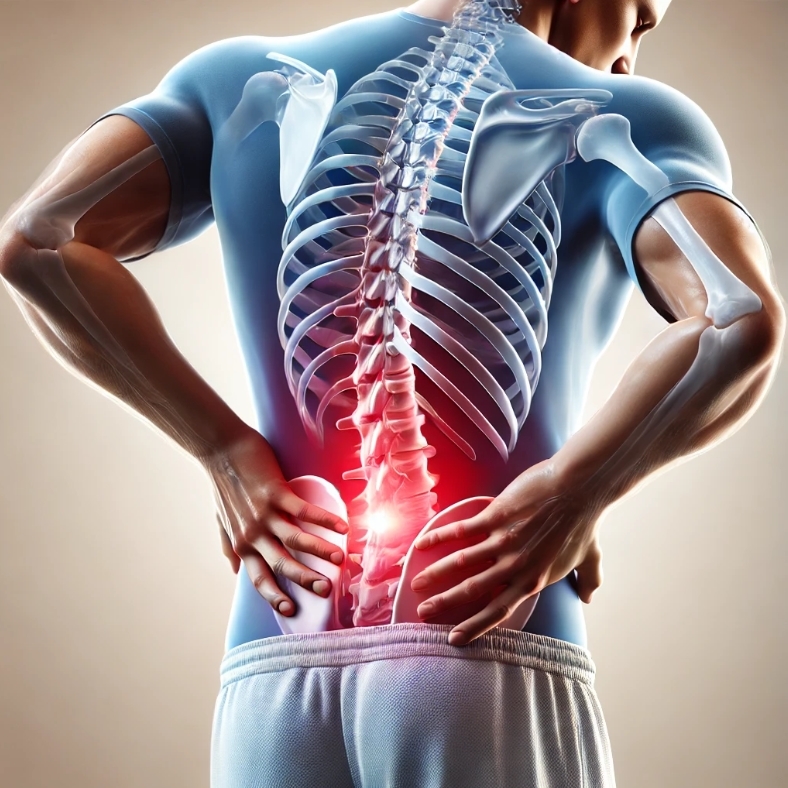
Traction is a globally recognized and traditional form of therapy. However, for it to be effective, the patient must remain in bed for several hours after treatment. Otherwise, the vertebrae return to their original position, interrupting the therapy's benefits.
Mr. Athanasios Mitsios, who personally dealt with chronic back issues for years and tried numerous treatment methods, invented the Spinal Decompressor. Thanks to this groundbreaking device, his back condition improved dramatically!
INFORMATION: 6986 502 045 & ponosstimesi@gmail.com
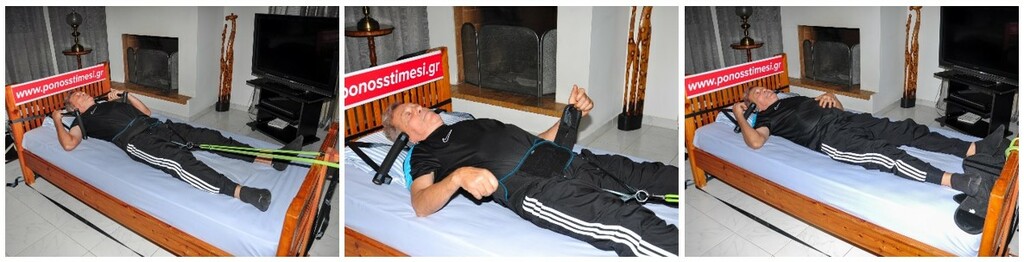
We use the Spinal Decompressor for forty minutes before bedtime. Then, we remove it from our body without getting out of bed and go to sleep. This way, the therapy continues throughout the entire duration of sleep.
When used at regular intervals, it prevents the compression of the vertebrae, which can lead to a reduction in a person’s height. At the same time, it helps avoid back injuries.

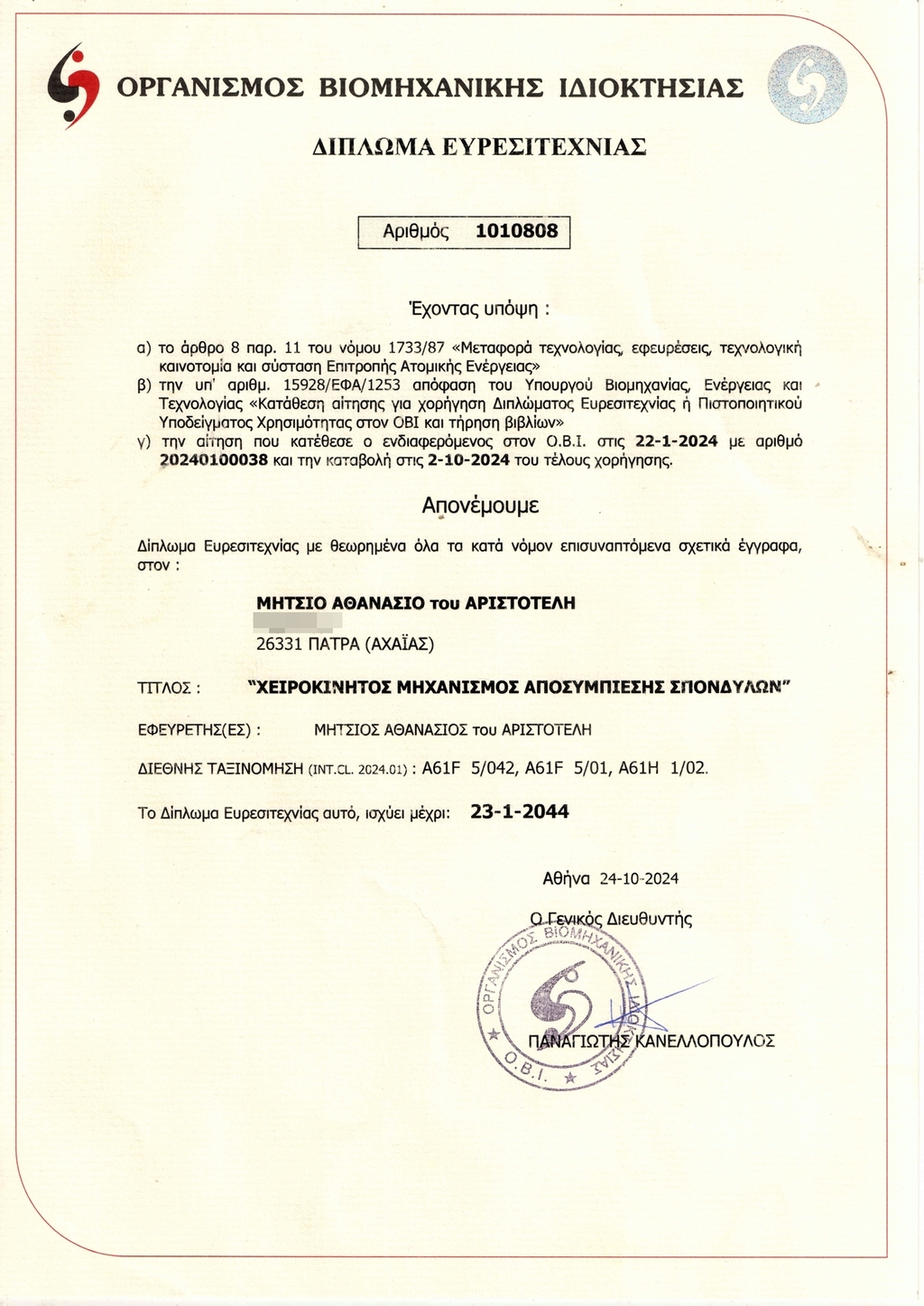
Mr. Athanasios Mitsios, after submitting all the necessary documents, was granted patent number 1010808 for the Spinal Decompressor by the greek Industrial Property Organization. International patent is expected soon!
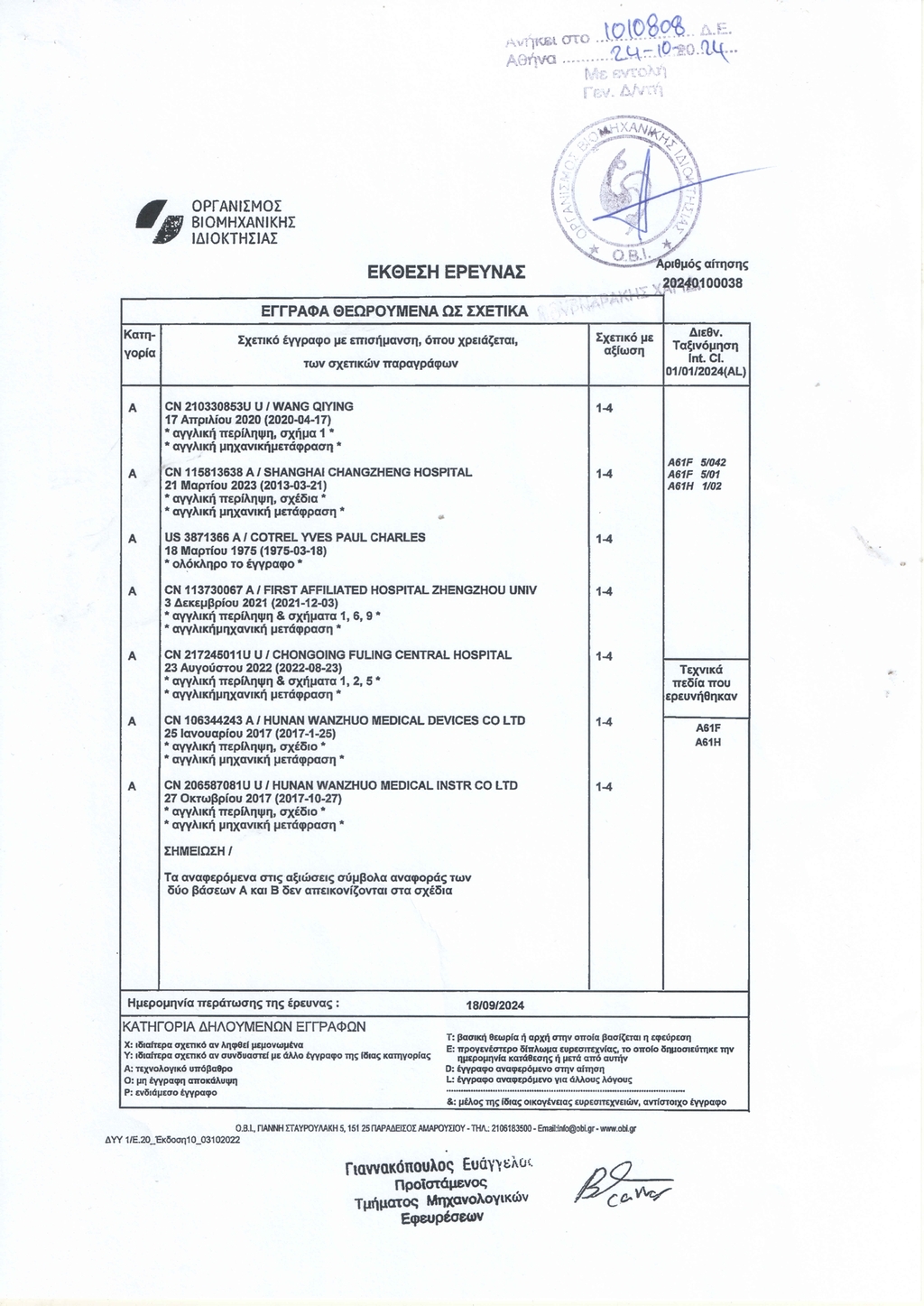
The Research Report from the greek Industrial Property Organization demonstrates that the Spinal Decompressor invented by Mr. Athanasios Mitsios is original and unique in its field!
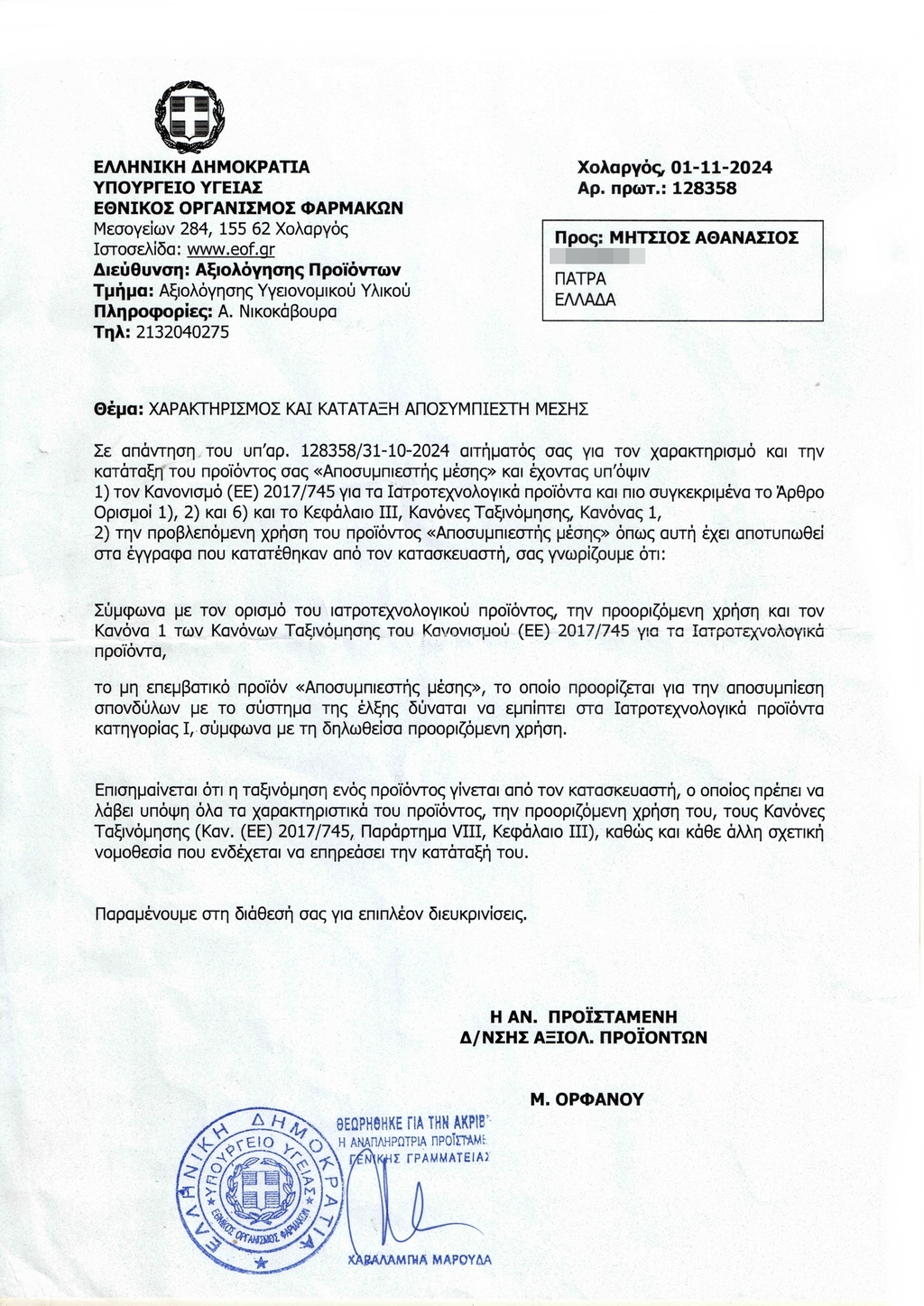
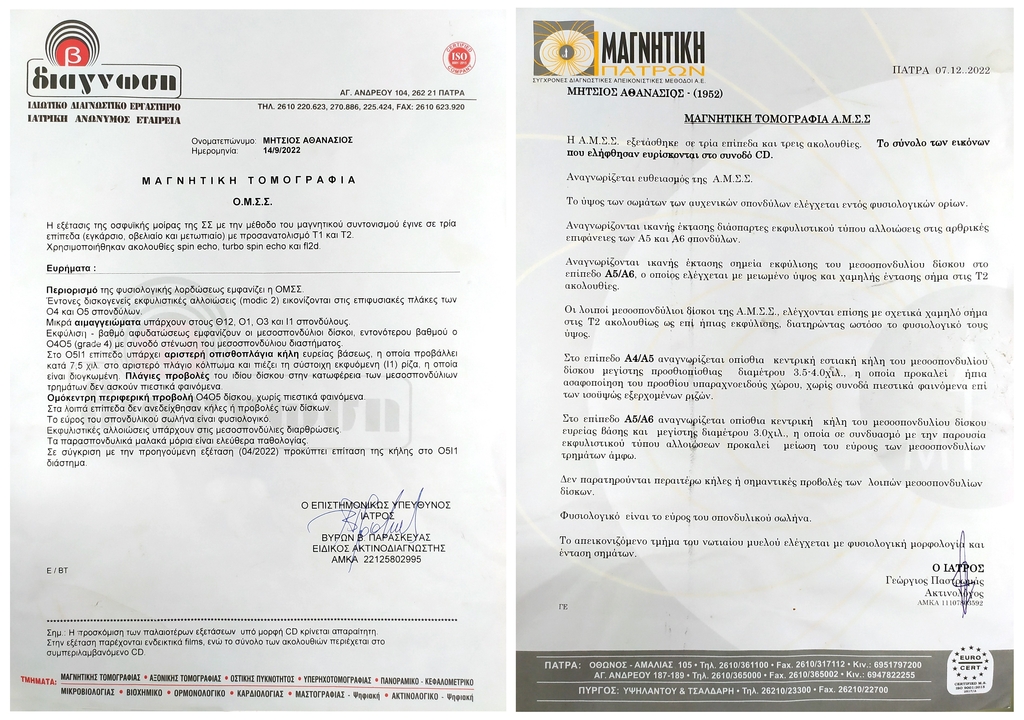
The National Organization for Medicines of Greece (N.O.M) classifies the Spinal Decompressor as a "non-invasive" product and accepts its classification as a Class I Medical Device.
Telephone: +30 698 650 2045
E-mail: Ponosstimesi@gmail.com
The Spinal Decompressor is currently in the certification process and will soon be available on the market!
Indicative selling price: 250€
Worldwide shipping available!
Shipping costs upon inquiry
Stay updated – Take advantage of our offers!

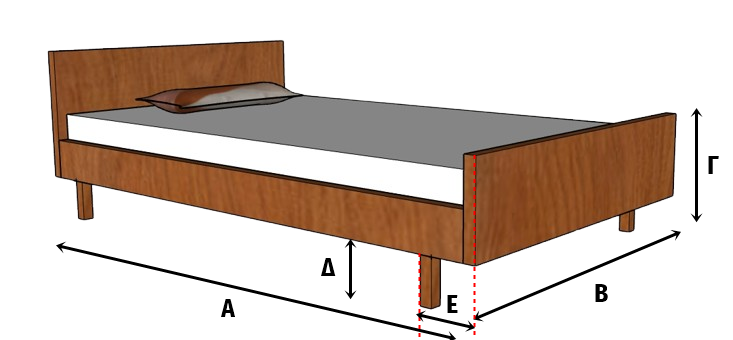
It consists of the plate, which includes the slot where we insert the safety bar, the resistance lever on which the traction regulator is placed, and the rotating axis that moves the resistance lever.
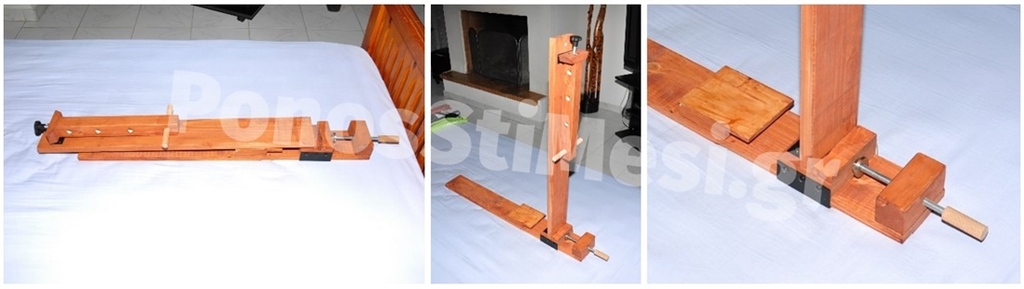
After lifting the resistance lever vertically, we place the safety bar, which is then hooked behind the two legs of the bed.
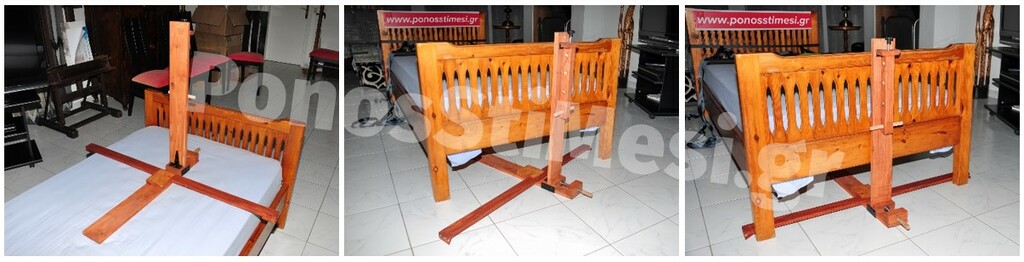
We attach a strap around the bed for safety. Then, we lift and secure the resistance lever. We choose one of the holes on the traction regulator and insert the pin to adjust the traction for either more or less force.
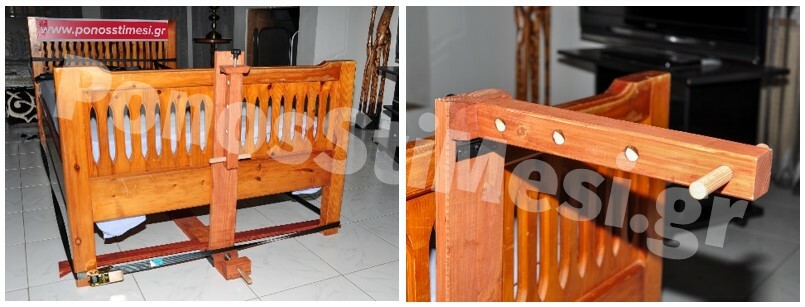
We move the resistance lever using the rotating axis until it rests on the bed. For added safety, we attach an additional strap to one of the holes on the traction regulator and connect it to the bottom with the perimeter strap.
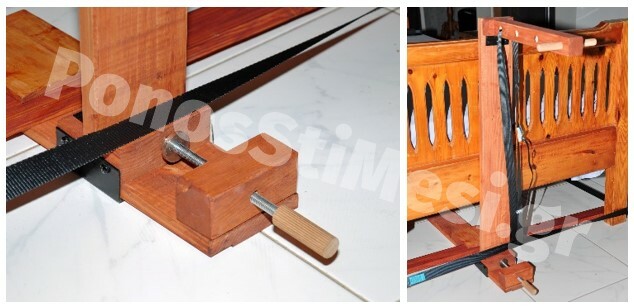
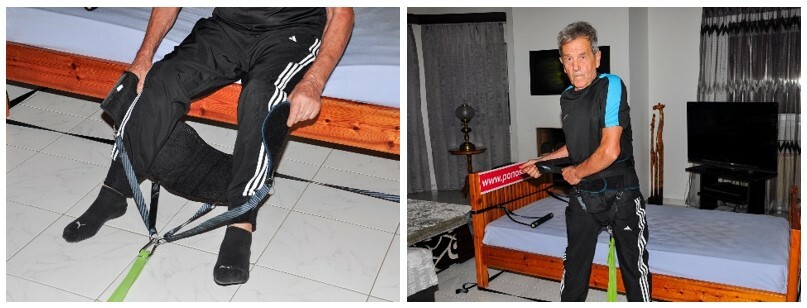
We wear the traction belt, which consists of the waist belt and straps, connected to the resistance bands.
Next, we get on the bed and connect the resistance bands to the traction regulator. Then, we lie down on the upper part of the bed to achieve the traction.
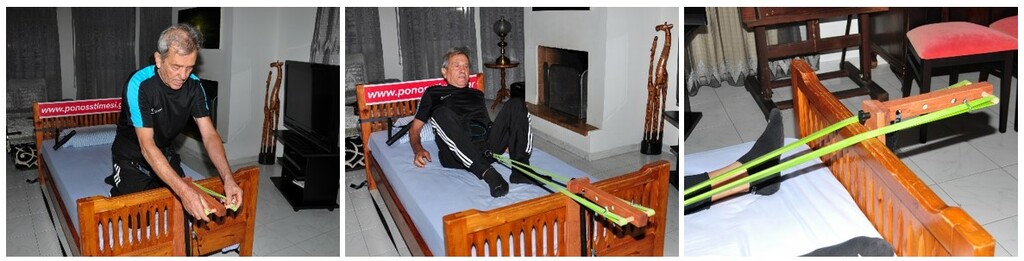
We wear the two armpit straps, which were previously placed at the top of the bed using a strap, to stabilize and support our body during the traction process. After approximately 40 minutes, we remove the armpit straps and the traction belt without getting out of bed and go to sleep. This way, the vertebrae remain decompressed throughout the night and are revitalized.
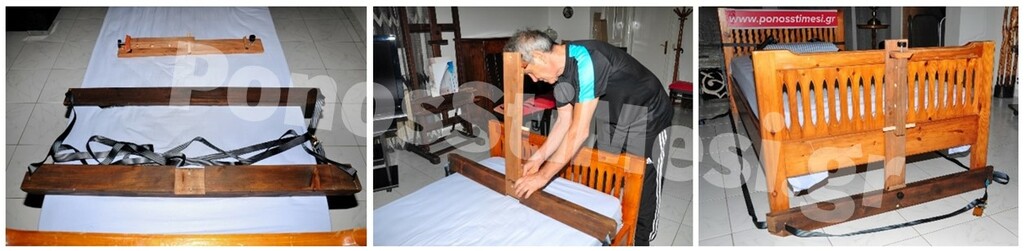
It consists of two bars connected by a strap. We place the small bar at the top part of the bed and the large bar at the bottom, after previously attaching the resistance lever of the Model A2 to it.
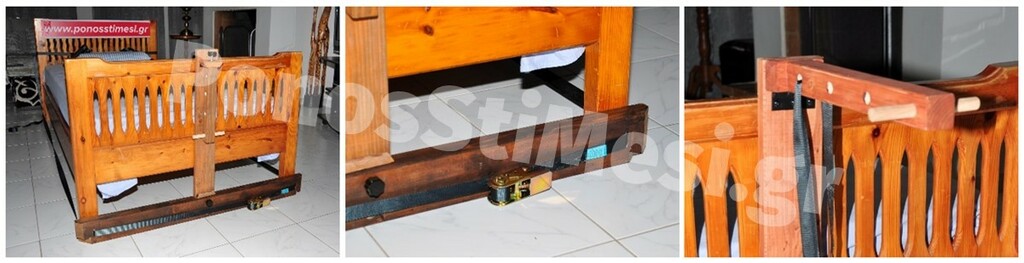
We secure the strap by tightening it with the buckle. We lift the traction regulator and secure it with the butterfly screw to the resistance lever. We choose one of the holes on the traction regulator and insert the pin to adjust the traction for more or less force. For added safety, we adjust an additional strap to one of the holes on the traction regulator and connect it to the lower strap.
We wear the traction belt, which consists of the waist belt and straps, connected to the resistance bands.
Next, we get on the bed and connect the resistance bands to the traction regulator. Then, we lie down on the upper part of the bed to achieve the traction.
We wear the two armpit straps, which were previously placed at the top of the bed using a strap, to stabilize and support our body during the traction process. After approximately 40 minutes, we remove the armpit straps and the traction belt without getting out of bed and go to sleep. This way, the vertebrae remain decompressed throughout the night and are revitalized.